How Long Do Hardscapes Last in North Dakota?
Hardscapes are one of the largest investments homeowners make in their outdoor spaces. Patios, walkways, retaining walls, steps, and outdoor living features are expected to last for decades—not just a few seasons. In North Dakota, however, the lifespan of hardscapes depends heavily on design, materials, and installation methods.
Fargo and West Fargo homeowners face challenges that homeowners in warmer regions rarely consider. Freeze-thaw cycles, deep frost lines, heavy snow accumulation, and spring melt all place extreme stress on outdoor structures. As a result, the question isn’t just how long hardscapes can last, but what determines whether they last 5 years or 30+ years.
This guide explains realistic hardscape lifespans in North Dakota, what affects durability, and how homeowners can maximize the longevity of their outdoor investments.
Why North Dakota Is Hard on Hardscapes
North Dakota’s climate is one of the toughest in the country for exterior construction. Hardscapes are exposed to repeated cycles of freezing and thawing, often dozens of times each year.
Key stress factors include:
- Water infiltration beneath surfaces
- Expansion of frozen moisture in soil
- Soil movement during spring thaw
- Snow load and ice accumulation
- Temperature swings within short time periods
When hardscapes are not designed specifically for these conditions, failure often occurs much sooner than expected.
Average Lifespan of Common Hardscapes in North Dakota
The lifespan of a hardscape varies widely depending on how it’s built. Below are general expectations when installed correctly for cold climates.
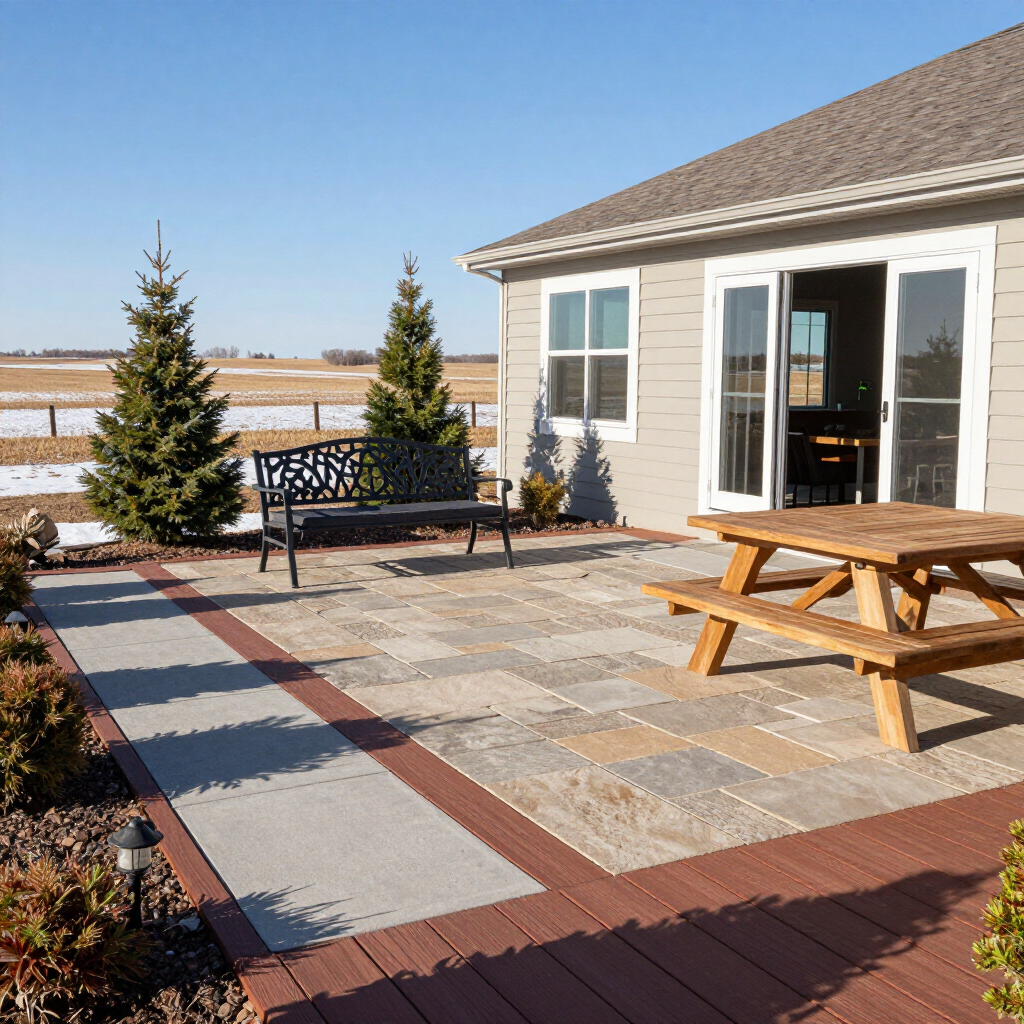
Paver Patios and Walkways
Well-installed paver systems can last 30–40 years or more in North Dakota. Because pavers are modular and allow for slight movement, they perform exceptionally well in freeze-thaw environments.
Factors that improve lifespan:
- Deep, properly compacted base
- Adequate drainage beneath the surface
- High-quality, freeze-thaw-rated pavers
- Correct edge restraint installation
Individual pavers can often be reset if movement occurs, extending overall lifespan even further.
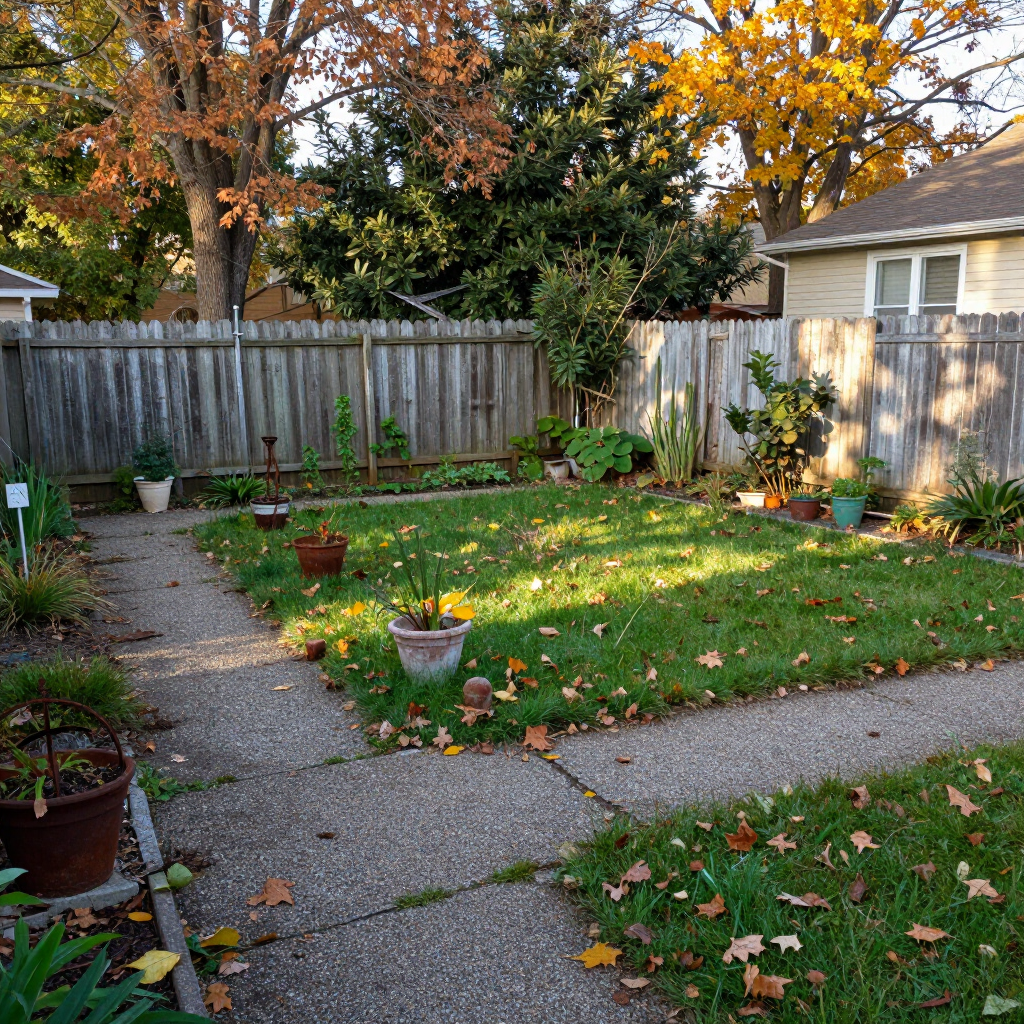
Concrete Patios and Walkways
Concrete typically lasts 20–30 years in North Dakota when installed with proper reinforcement and control joints. However, concrete is less forgiving than pavers and more susceptible to cracking if water infiltrates beneath the slab.
Longevity depends on:
- Air-entrained concrete mixes
- Proper base depth and compaction
- Strategic control joint placement
- Effective surface drainage
- Regular sealing when appropriate
Poor installation can shorten concrete lifespan dramatically.
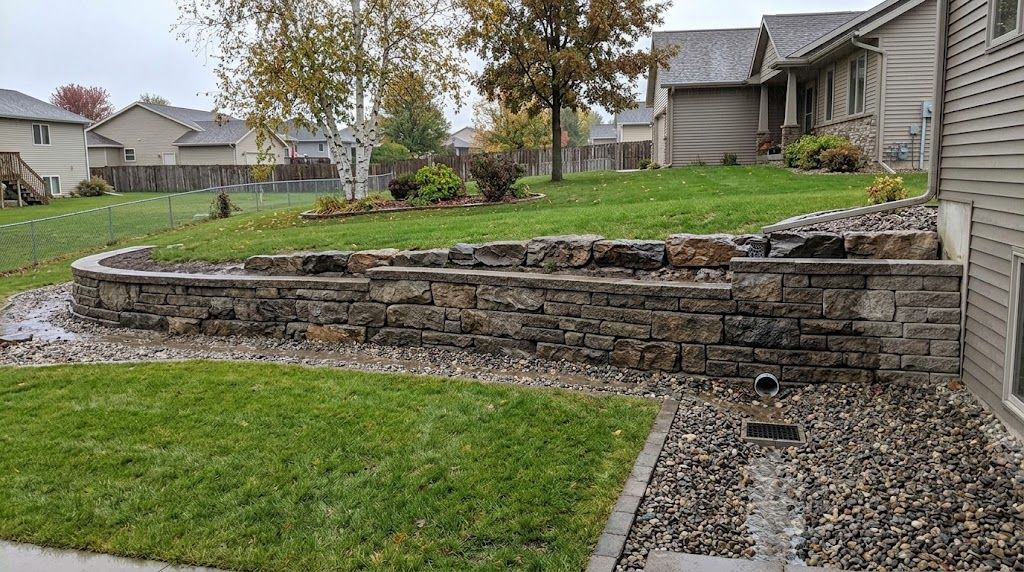
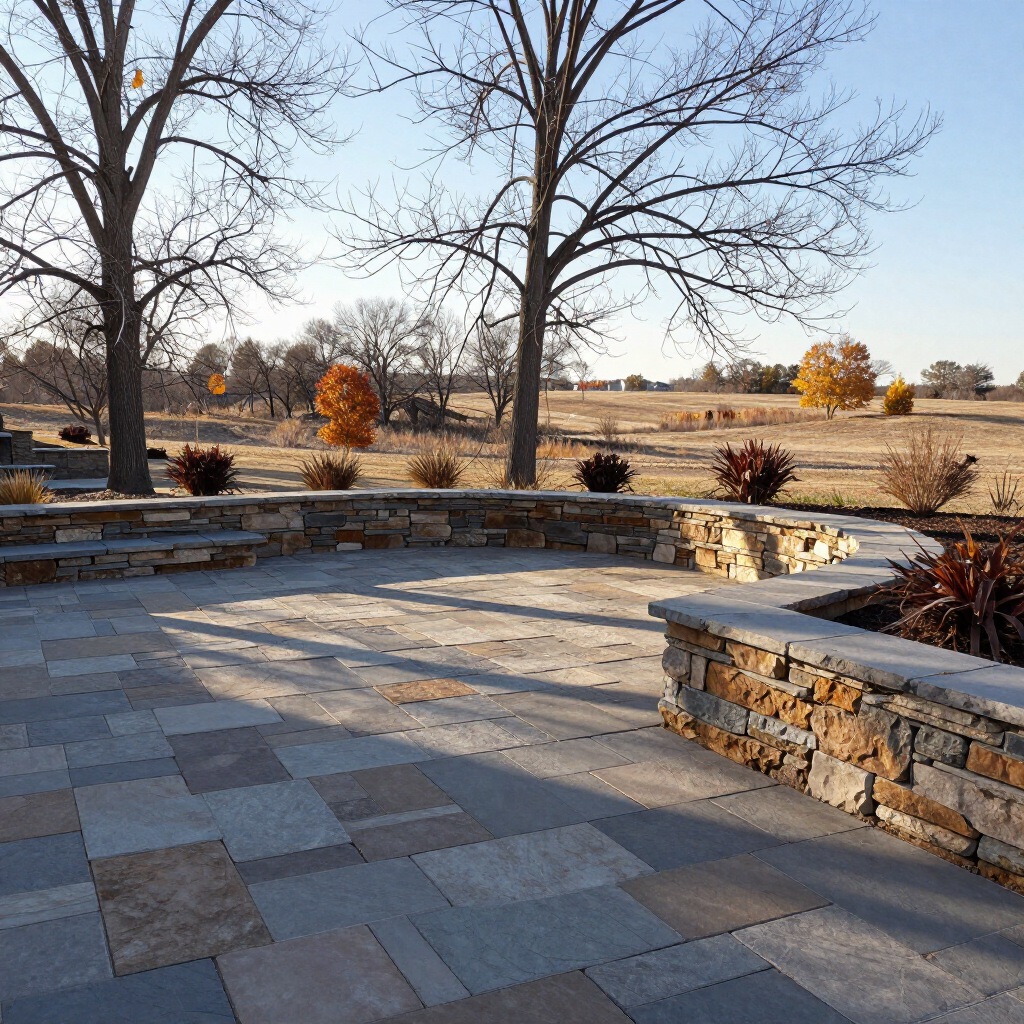
Retaining Walls
Properly engineered retaining walls can last 40–50 years or longer in North Dakota. Walls are especially vulnerable to failure if drainage is inadequate.
Critical factors include:
- Footings below frost depth
- Drainage stone and weep systems
- Geogrid reinforcement where required
- Proper wall system selection
Retaining wall failures are often caused by water pressure rather than structural materials.
Steps, Stairs, and Landings
Steps and stairs typically last 20–40 years, depending on materials and construction. These features are particularly vulnerable because they combine vertical and horizontal surfaces.
Longevity improves when:
- Footings extend below frost depth
- Consistent riser heights are used
- Textured surfaces reduce ice-related damage
- Drainage prevents water pooling
Uneven steps are often one of the first signs of hardscape movement.
Outdoor Fireplaces and Masonry Features
Outdoor fireplaces and masonry structures can last 30–50 years when built correctly. In North Dakota, the biggest threats are moisture infiltration and freeze-related cracking.
Durable fireplaces include:
- Reinforced foundations below frost depth
- Masonry rated for freeze-thaw exposure
- Proper chimney construction
- Protective caps and sealing
Poor material selection often leads to spalling and surface damage.
What Shortens Hardscape Lifespan in Fargo
Most premature hardscape failures are not caused by age, but by installation shortcuts or design oversights.
Common lifespan-reducing issues include:
- Shallow base preparation
- Poor soil compaction
- Inadequate drainage
- Incorrect material selection
- Ignoring frost depth requirements
- Skipping reinforcement where needed
These mistakes may not be obvious right away but often surface after the first few winters.
Drainage: The Biggest Factor in Longevity
Drainage is the single most important factor affecting how long hardscapes last in North Dakota. Water trapped beneath or behind hardscapes freezes, expands, and causes movement.
Effective drainage includes:
- Sloping surfaces away from structures
- Drainage layers beneath patios and walkways
- Weep systems behind retaining walls
- Avoiding low spots where water collects
Even the strongest materials will fail if drainage is ignored.
Maintenance and Its Role in Hardscape Lifespan
Hardscapes are low-maintenance, not maintenance-free. Small issues left unaddressed can shorten lifespan.
Helpful maintenance practices include:
- Clearing debris from joints and drains
- Replacing joint sand as needed
- Sealing concrete and masonry when recommended
- Inspecting for movement after winter
- Avoiding harsh de-icing chemicals
Regular inspections help catch problems early.
The Difference Between “Installed” and “Engineered”
Many homeowners assume all hardscapes are built the same way. In reality, there is a major difference between basic installation and engineered construction.
Engineered hardscapes account for:
- Soil conditions
- Load requirements
- Frost depth
- Drainage paths
- Long-term movement
In Fargo’s climate, engineered solutions consistently last longer and perform better.
Why Local Experience Matters
Hardscapes designed for warmer climates often fail prematurely in North Dakota. Generic installation methods do not account for deep frost lines or spring thaw behavior.
Working with a local professional like MGI Landscapes & Outdoor Living ensures hardscapes are built specifically for Fargo-area soil and climate conditions, significantly extending lifespan.
Signs a Hardscape Is Nearing the End of Its Life
Not all hardscapes fail suddenly. Many show warning signs years in advance.
Watch for:
- Increasing unevenness
- Cracks that continue to grow
- Separating joints or gaps
- Leaning retaining walls
- Persistent water pooling
Addressing issues early can prevent full replacement.
Renovation vs. Replacement
In many cases, hardscapes don’t need full replacement. Renovation or partial rebuilding may restore performance.
Renovation may include:
- Resetting pavers
- Improving drainage
- Replacing damaged sections
- Reinforcing bases
A professional evaluation helps determine the most cost-effective solution.
Frequently Asked Questions
Do pavers last longer than concrete in North Dakota?
Often yes, because pavers allow movement without cracking.
Can hardscapes last a lifetime?
With proper design, materials, and maintenance, many hardscapes can last several decades.
Is winter damage avoidable?
Much of it is preventable through proper drainage and installation.
Final Thoughts
Hardscapes in North Dakota can last for decades—but only when designed and built for the realities of the climate. Proper base preparation, drainage, material selection, and local expertise all play critical roles in longevity. For Fargo homeowners, investing in durable hardscapes means fewer repairs, lower long-term costs, and outdoor spaces that remain functional and attractive through years of harsh winters.
Ready to Transform Your Outdoor Space?
Bring your vision to life with MGI Landscapes & Outdoor Living.
Let’s create an outdoor space you’ll love.
Recent Posts