Common Landscaping Mistakes Fargo Homeowners Make (And How to Avoid Them)
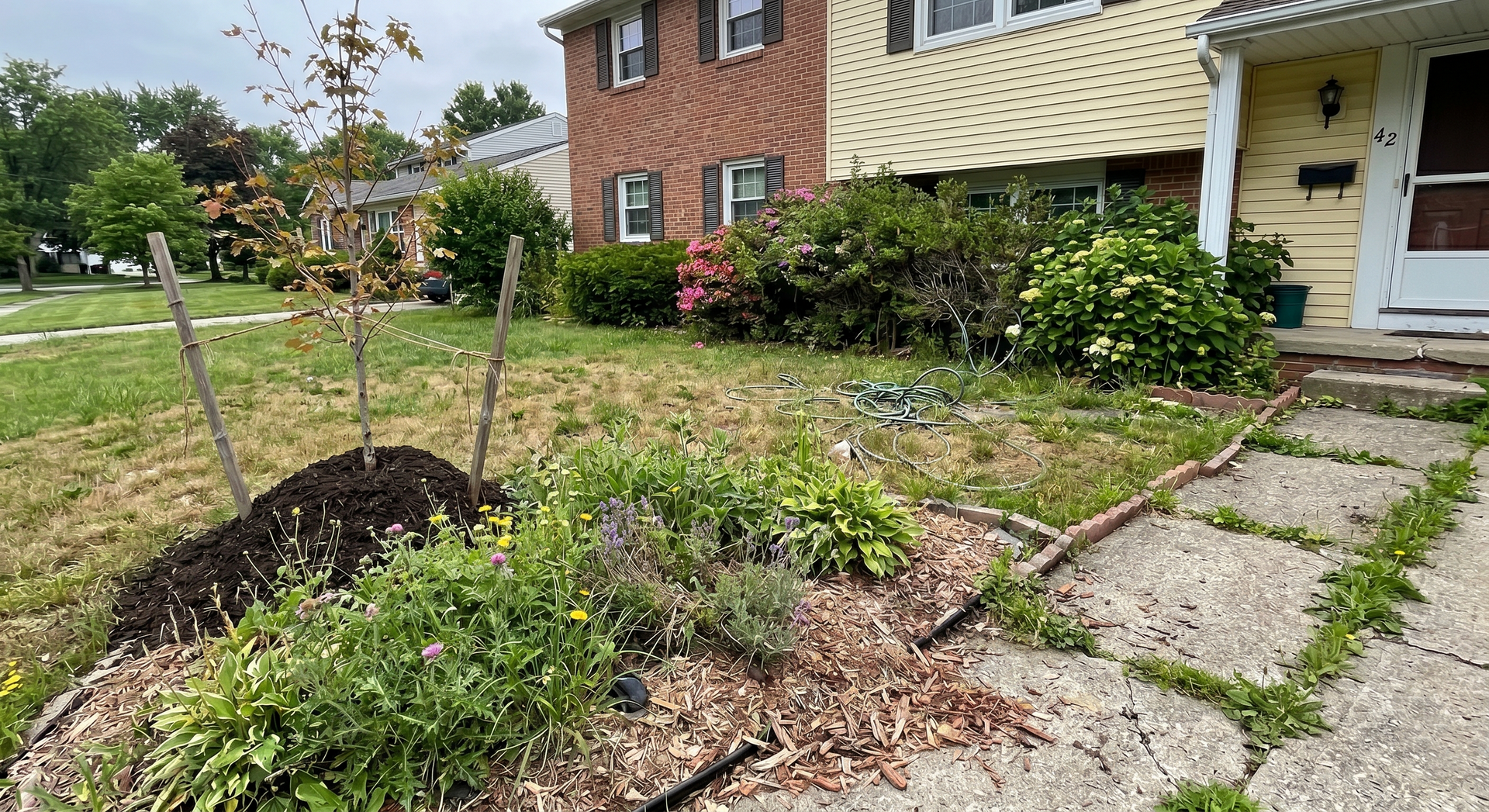
Landscaping mistakes can happen anywhere, but in Fargo and the surrounding communities, they tend to show up faster and cause more damage. North Dakota’s climate—with its long winters, freeze-thaw cycles, heavy snowfall, and intense spring runoff—places unique demands on outdoor spaces. What might be a minor inconvenience in another region can quickly turn into a costly repair here.
Most landscaping problems aren’t caused by neglect. Instead, they result from
well-intentioned decisions made without enough local context. Understanding the most common landscaping mistakes Fargo homeowners make can help you avoid wasted investment, ongoing maintenance headaches, and premature landscape failure.
This guide outlines the most frequent issues seen in the Fargo–West Fargo area and explains how homeowners can avoid them.
Ignoring Drainage Until Damage Appears
One of the most widespread landscaping mistakes in Fargo is failing to address drainage early. Snowmelt in spring often occurs while the ground is still frozen, which prevents water from soaking into the soil. Without proper planning, water has nowhere to go.
Common signs of drainage problems include:
- Standing water that lingers for days
- Soggy lawns that never fully dry
- Water pooling near foundations
- Plants dying from oversaturated soil
Drainage should be a foundational part of landscape design, not a reaction to visible problems. Proper grading, integrated hardscapes, and intentional water flow paths help prevent long-term damage.
Underestimating Freeze-Thaw Cycles
Freeze-thaw cycles are one of the most destructive forces in North Dakota landscapes. Water seeps into soil or beneath hardscapes, freezes and expands, then contracts as it thaws—repeating this process dozens of times each year.
This leads to:
- Heaving patios and walkways
- Cracked concrete surfaces
- Shifting retaining walls
- Uneven steps that create safety hazards
A common mistake is assuming standard installation methods are sufficient. In Fargo, hardscapes must be built with deeper bases, proper compaction, and effective drainage to withstand seasonal movement.
Choosing Plants Based Only on Appearance
Plant selection is another area where Fargo homeowners frequently run into trouble. Choosing plants based on looks alone—without considering hardiness or growing conditions—often leads to disappointment.
Common plant-related issues include:
- Plants that fail to survive winter
- Excessive pruning or replacement needs
- Poor growth due to soil incompatibility
- Wind damage from exposure
Cold-hardy, region-appropriate plants are far more successful in the long term. Native and adapted species typically require less maintenance and are better suited to North Dakota’s conditions.
Installing Too Much Lawn
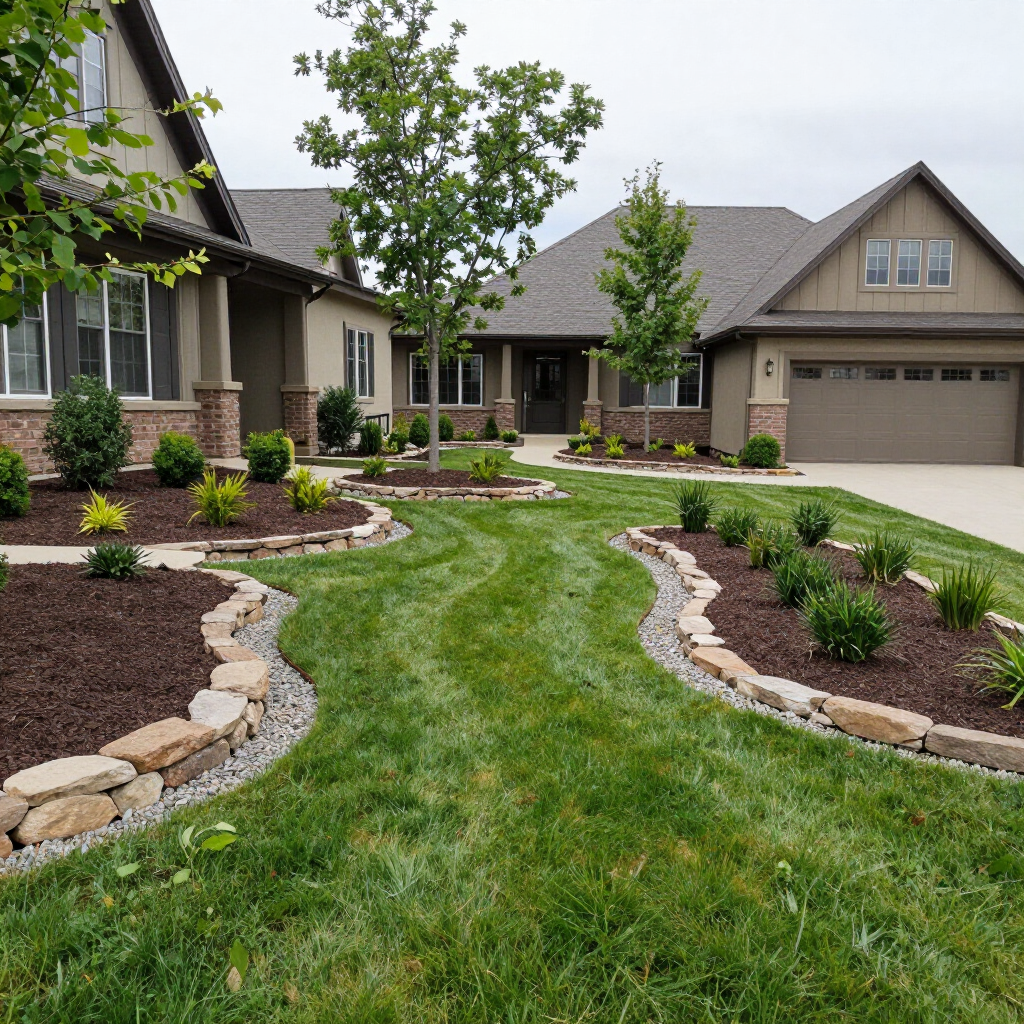
While open lawn space is appealing, too much turf can be impractical in Fargo. Large lawn areas often struggle with drainage, compaction, and maintenance demands.
Problems associated with excessive lawn include:
- Persistent wet or muddy areas
- Increased mowing and fertilization
- Soil compaction from foot traffic
- Limited functional use of the yard
Incorporating patios, walkways, planting beds, and defined outdoor spaces often improves usability while reducing upkeep.
Poor Hardscape Installation Practices
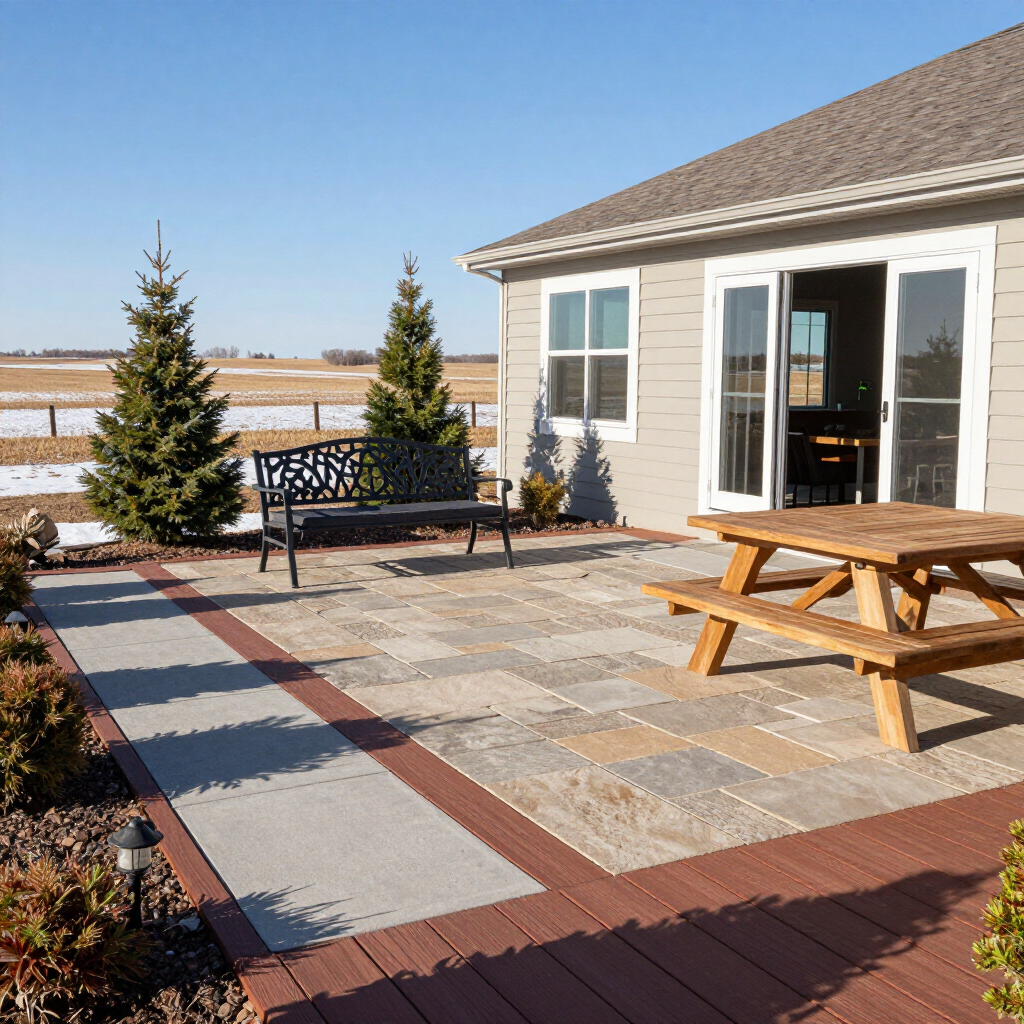
Hardscapes fail in Fargo most often due to shortcuts taken during installation. The base beneath patios, walkways, and retaining walls is critical in freeze-thaw climates.
Common installation mistakes include:
- Insufficient excavation depth
- Inadequate base material
- Poor compaction
- Lack of drainage layers
These problems may not appear immediately, but they often become obvious after one or two winters.
Treating Landscaping as an Afterthought
Another frequent mistake is viewing landscaping as something to address only after all other home projects are finished. When landscaping is added without coordination, it often conflicts with grading, drainage, and outdoor living plans.
This approach can result in:
- Inefficient layouts
- Drainage issues near the home
- Limited space for desired features
- Expensive rework later
Landscaping should be planned alongside other exterior improvements to ensure everything works together.
Not Designing for Seasonal Use
Fargo’s outdoor season is short, making it essential to design landscapes that maximize usability when weather allows.
Many homeowners overlook factors that significantly impact comfort.
Common oversights include:
- Ignoring prevailing wind direction
- Poor placement of seating areas
- Lack of shade or shelter
- No lighting for evening use
Thoughtful design can extend outdoor enjoyment into spring and fall while improving comfort during peak summer months.
Overlooking Maintenance Requirements
Some landscapes look impressive initially but require more upkeep than homeowners expect. This often leads to neglected spaces or unexpected costs.
Maintenance-related mistakes include:
- Choosing high-maintenance plants
- Overcomplicating design layouts
- Creating hard-to-access areas
- Selecting materials that require frequent sealing or repair
Understanding maintenance needs upfront helps ensure the landscape fits your lifestyle.
Skipping Professional Planning
DIY landscaping works for small projects, but larger renovations or hardscape installations often require professional planning—especially in Fargo’s climate.
Skipping professional guidance can lead to:
- Costly mistakes
- Inefficient use of space
- Poor drainage solutions
- Shortened lifespan of materials
Local experience plays a major role in avoiding these issues.
Failing to Think Long Term
Landscapes change over time. Trees grow, plants spread, and family needs evolve. Designing only for immediate appearance often leads to overcrowding or functional problems later.
Long-term considerations include:
- Mature plant sizes
- Access for maintenance and snow removal
- Changing household needs
- Durability of materials
Planning with the future in mind helps avoid costly redesigns.
Why Local Expertise Makes a Difference
Many landscaping mistakes happen when homeowners rely on generic advice that doesn’t apply to North Dakota conditions. Soil composition, frost depth, and weather patterns vary significantly by region.
Working with a local company like
MGI Landscapes & Outdoor Living helps ensure landscapes are designed specifically for Fargo’s environment, reducing risk and improving long-term performance.
Frequently Asked Questions
What is the most common landscaping mistake in Fargo?
Poor drainage planning is one of the most frequent and damaging issues.
Can landscaping mistakes be corrected?
Yes, but fixing problems is often more expensive than doing it right initially.
Is professional landscaping worth it in North Dakota?
Professional planning often saves money long term by preventing failures and rework.
Final Thoughts
Landscaping in Fargo requires more than creativity—it requires planning, local knowledge, and attention to long-term performance. By understanding and avoiding common landscaping mistakes, homeowners can create outdoor spaces that remain functional, attractive, and durable through North Dakota’s demanding seasons.
Recent Posts