Hardscapes vs. Softscapes: What Fargo Homeowners Need to Know
Hardscapes:
Softscapes:
When planning a landscape project, many homeowners hear the terms
hardscapes and softscapes without fully understanding what they mean or how they affect the final result. In Fargo and throughout the surrounding area, this distinction is especially important. North Dakota’s climate, soil conditions, and dramatic seasonal changes place unique demands on outdoor spaces, making thoughtful landscape planning essential.
A well-designed landscape is not about choosing hardscapes or softscapes. Instead, it’s about creating a balanced relationship between the two, ensuring the space looks attractive, functions properly, and remains durable through years of harsh winters and short growing seasons. This guide explains what hardscapes and softscapes are, how they differ, and what Fargo homeowners should consider when designing or updating their landscapes.
What Are Hardscapes?
Hardscapes are the
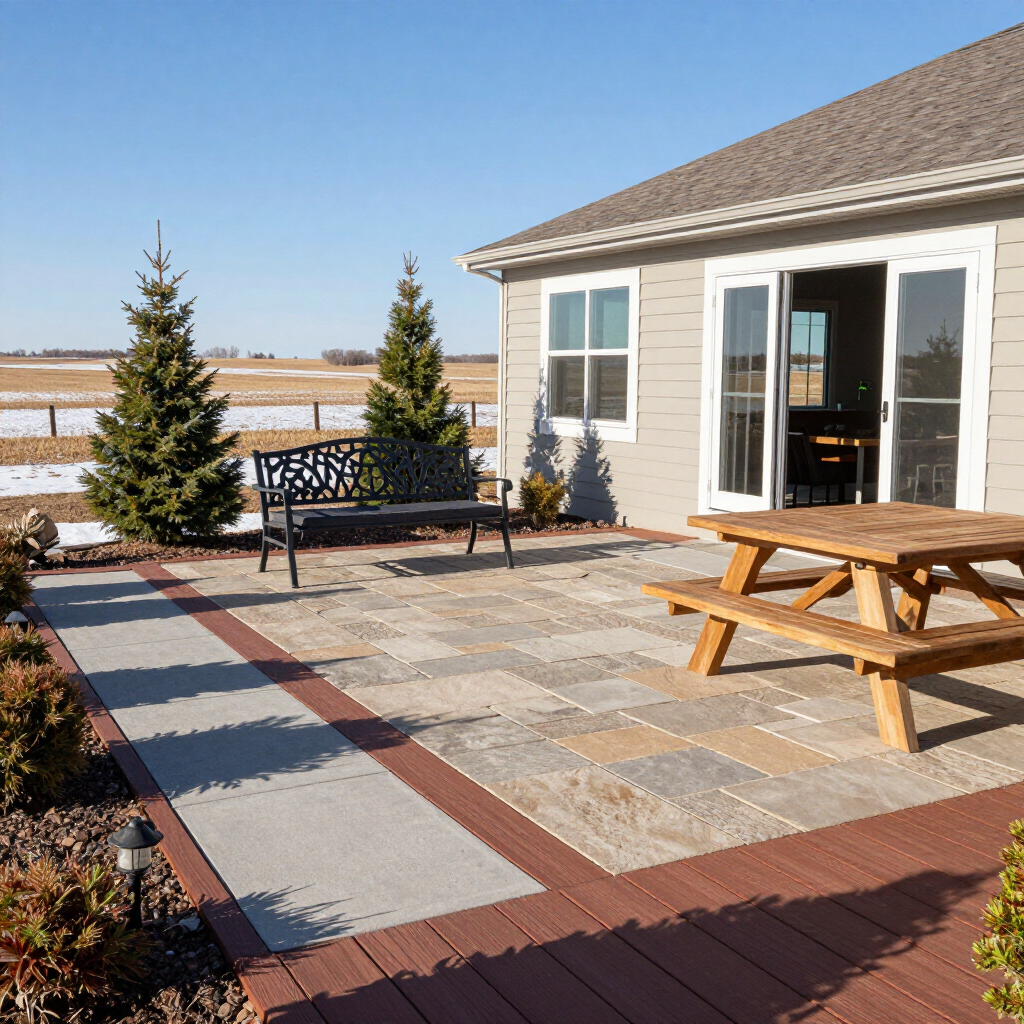
non-living, permanent elements of a landscape. These features provide structure, define how a space is used, and support long-term performance. In Fargo landscapes, hardscapes often form the backbone of the yard, especially where drainage, erosion control, and durability are concerns.
Common hardscape features include:
- Patios and outdoor seating areas
- Walkways and garden paths
- Steps and landings
- Retaining walls
- Outdoor fireplaces and fire pits
- Outdoor kitchens
- Stone or concrete edging
- Built-in seating walls and raised planters
Hardscapes establish the layout of your yard. They guide foot traffic, create gathering spaces, and provide stability in areas where grass or plantings would struggle.
What Are Softscapes?
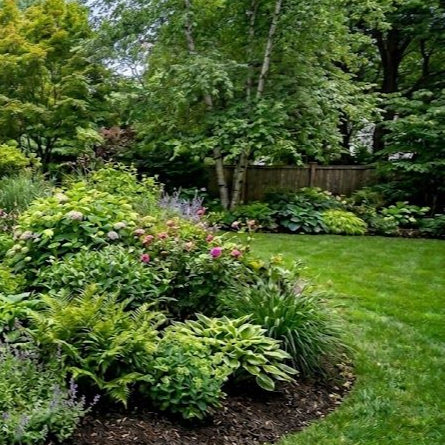
Softscapes consist of the
living elements
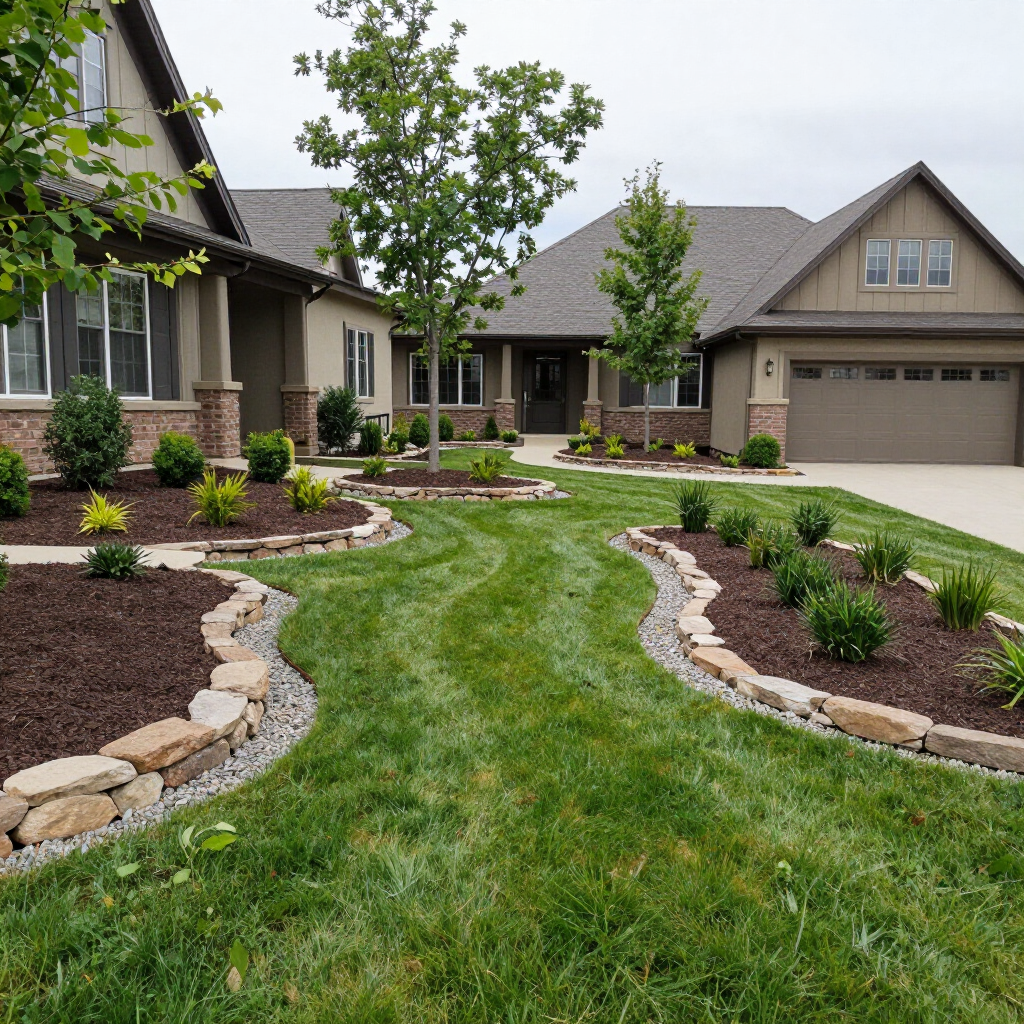
of a landscape. These components add color, texture, movement, and seasonal interest, helping outdoor spaces feel natural and inviting rather than rigid or industrial.
Softscape elements include:
- Lawns and turf areas
- Trees and shrubs
- Perennial and annual flowers
- Ornamental grasses
- Groundcovers
- Mulch and soil
In Fargo, softscapes must be chosen carefully. Plants need to tolerate cold winters, fluctuating spring temperatures, and sometimes dry summer conditions. When selected properly, softscapes enhance both the beauty and environmental health of a landscape.
Why the Difference Matters in Fargo
In warmer climates, landscaping often emphasizes plants and lawns. In Fargo, however,
hardscapes play a much larger functional role. Snow accumulation, freeze-thaw cycles, and spring runoff put stress on outdoor areas, making durable surfaces and proper drainage critical.
Hardscapes help Fargo homeowners:
- Reduce erosion during snowmelt
- Control water flow away from foundations
- Prevent muddy or unusable yard areas
- Extend outdoor usability beyond peak summer months
Softscapes, while equally important, must be placed strategically so they support—not undermine—the performance of hardscape elements.
The Role of Hardscapes in Cold-Climate Landscapes
Hardscapes are often the
longest-lasting investment in a landscape. When installed correctly with proper base preparation and drainage, they can perform well for decades.
In North Dakota landscapes, hardscapes:
- Provide stable surfaces despite soil movement
- Reduce maintenance in high-traffic areas
- Improve accessibility and safety
- Create usable outdoor living spaces
Because hardscapes are permanent, mistakes during installation can be costly. Insufficient base depth or poor drainage planning can lead to shifting, cracking, and frost heave.
The Importance of Softscapes in North Dakota Yards
Softscapes bring life and warmth to a landscape dominated by stone and concrete. They also serve practical purposes beyond appearance.
Softscapes help:
- Absorb excess water and reduce runoff
- Improve soil structure over time
- Provide shade and wind protection
- Enhance privacy and noise reduction
In Fargo, native and cold-hardy plants are often the most successful choice. They require less maintenance, adapt better to local conditions, and recover more easily after winter dormancy.
Finding the Right Balance Between Hardscapes and Softscapes
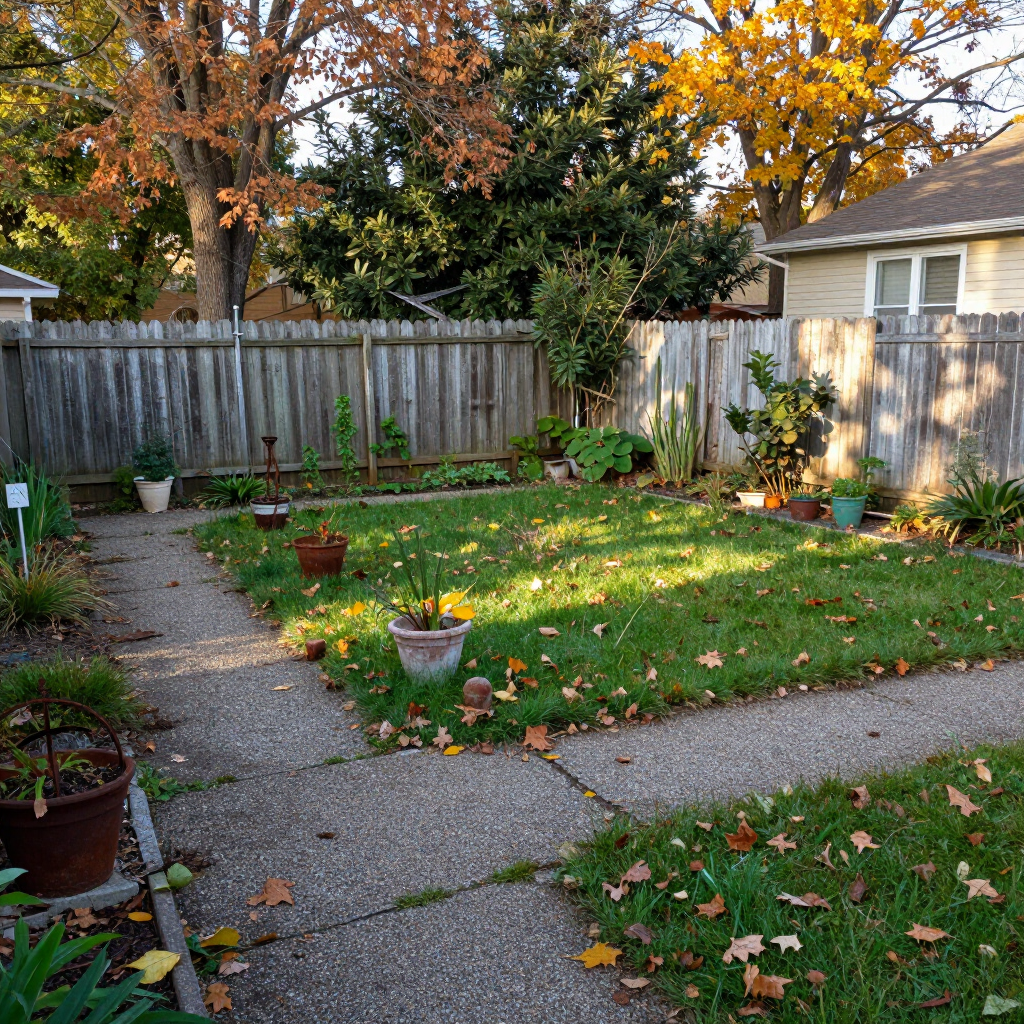
One of the most common landscaping challenges is finding the right balance. Too much hardscape can make a yard feel cold, uninviting, and overly rigid. Too much softscape can lead to high maintenance demands and limited usability.
The ideal balance depends on how you use your yard. Homes that frequently host gatherings may benefit from more patio space and seating areas, while families with children or pets may prioritize lawn areas and open space.
In many Fargo landscapes, a
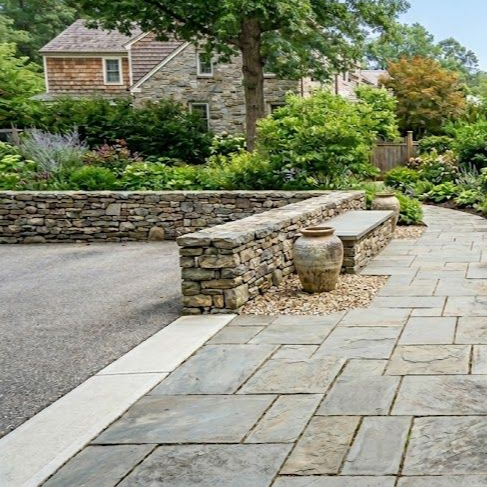
balanced approach works best—using hardscapes to define spaces and softscapes to soften edges and add visual interest.
Drainage and Grading: Where Hardscapes and Softscapes Work Together
Drainage is one of the most important—and most overlooked—factors in landscaping. In the Fargo area, snowmelt and heavy rains can quickly overwhelm poorly designed yards.
Hardscapes help direct water away from structures, while softscapes slow and absorb runoff. Together, they create a system that protects both your home and your landscape investment.
Poor grading or disconnected design often leads to standing water, plant failure, and premature hardscape damage.
Maintenance Expectations for Each Element
Hardscapes generally require less routine maintenance than softscapes, but they still need periodic care. This may include cleaning surfaces, stabilizing joints, and checking for movement after winter.
Softscapes require seasonal attention such as pruning, mulching, watering, and occasional plant replacement. Choosing appropriate plants can significantly reduce maintenance demands.
Understanding these differences helps homeowners plan realistically and avoid surprises.
Cost Differences Between Hardscapes and Softscapes
Hardscapes typically involve higher upfront costs due to materials and labor, but they tend to last longer and provide consistent usability. Softscapes are often less expensive initially but may require ongoing investment over time.
For Fargo homeowners, investing in durable hardscapes in high-traffic areas often reduces long-term maintenance costs and improves overall landscape performance.
Common Mistakes Fargo Homeowners Should Avoid
Some of the most common landscaping issues arise when hardscapes and softscapes are planned independently instead of as part of a unified design.
Mistakes include:
- Installing patios without planning surrounding plantings
- Choosing plants unsuited to local conditions
- Ignoring drainage until problems appear
- Overloading small yards with hard surfaces
Integrated planning helps prevent these problems.
Why Professional Design Matters
Balancing hardscapes and softscapes requires experience with local conditions. Soil composition, frost depth, drainage patterns, and plant performance all influence successful outcomes.
Working with a local professional like
MGI Landscapes & Outdoor Living ensures both hardscapes and softscapes are designed to work together as a cohesive, long-lasting system.
Frequently Asked Questions
Is hardscape or softscape more important in Fargo?
Both are essential, but hardscapes often provide critical structural support due to climate conditions.
Can softscapes be added later?
Yes, but planning them alongside hardscapes produces better results.
Do hardscapes improve home value?
Well-designed hardscapes often enhance usability and buyer appeal.
Final Thoughts
Hardscapes and softscapes each play vital roles in Fargo landscapes. When thoughtfully balanced, they create outdoor spaces that are durable, functional, and visually appealing. Understanding how these elements work together allows homeowners to make informed decisions that stand up to North Dakota’s challenging climate.
Recent Posts