Why Proper Landscape Grading Is Essential for Fargo Homes

When homeowners think about landscaping, they often picture beautiful flower beds, lush green lawns, elegant patios, or inviting outdoor living spaces. One of the most important elements of a successful landscape, however, is something many people never notice—proper landscape grading.
Landscape grading forms the foundation of every well-designed outdoor space. It determines how water moves across your property, protects your home's foundation, supports healthy lawns and gardens, and helps hardscape features perform as they should for decades. In Fargo and West Fargo, where heavy snowfalls, spring snowmelt, summer storms, and freeze-thaw cycles are all part of life, proper grading isn't simply a recommendation—it's essential.
Many landscape problems that homeowners experience, including standing water, soggy lawns, cracked patios, soil erosion, and foundation concerns, can often be traced back to improper grading. Fortunately, these issues can usually be prevented or corrected through thoughtful planning and professional landscape design.
This guide explains why landscape grading is so important, how it affects your property, and what Fargo homeowners should know before beginning any landscape renovation or outdoor living project.
What Is Landscape Grading?
Landscape grading is the process of shaping and leveling the ground to create proper elevations and slopes throughout your property. The objective is not to make everything perfectly flat. Instead, grading creates controlled slopes that direct water away from buildings while supporting healthy lawns, planting beds, patios, walkways, and outdoor living spaces.
A properly graded landscape balances both appearance and function. While visitors may notice beautiful stonework or colorful landscaping, the grading beneath those features is what allows everything to perform properly over time.
Professional grading often involves:
- Adjusting soil elevations
- Creating smooth transitions between different areas
- Managing stormwater runoff
- Preparing stable foundations for hardscapes
- Preventing erosion
- Improving drainage throughout the property
Because grading influences every other landscaping feature, it is typically one of the first steps in a successful landscape renovation.
Why Grading Matters More in Fargo Than in Many Other Areas
North Dakota's climate creates challenges that homeowners in warmer regions rarely experience.
Throughout the winter, frozen ground prevents moisture from draining normally. As temperatures rise in spring, melting snow produces large amounts of runoff while portions of the ground may still be frozen beneath the surface.
Heavy summer thunderstorms can also deliver significant rainfall over short periods.
Without proper grading, water often collects where it shouldn't.
Common problems include:
- Water pooling near the home's foundation
- Saturated lawns that remain muddy for days
- Landscape beds washing out after storms
- Ice forming on walkways during winter
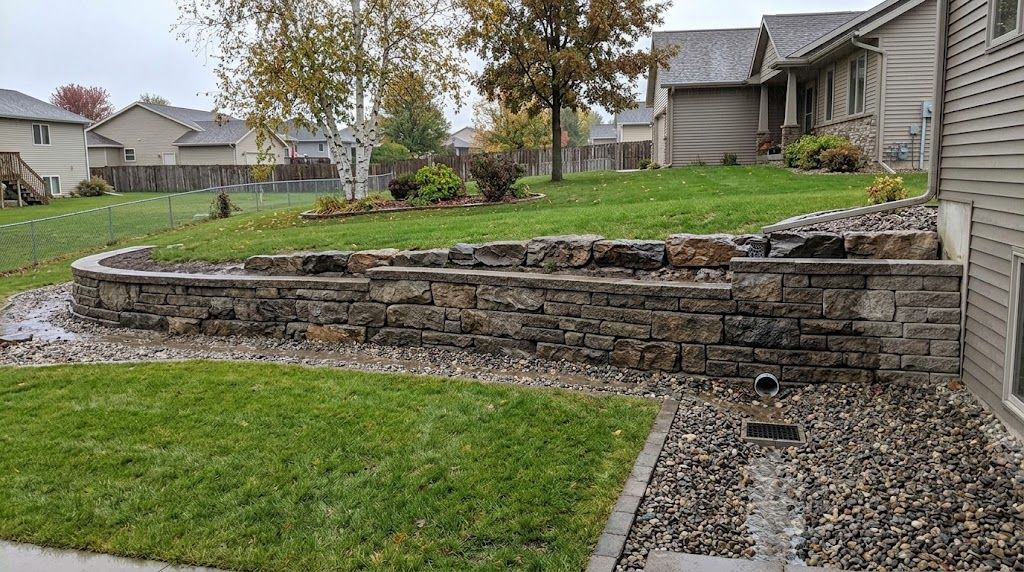
- Soil erosion around retaining walls and patios
These problems can become more severe each year if they are not addressed.
Proper grading provides a controlled path for water, helping your entire landscape perform more efficiently regardless of the season.
Protecting Your Home's Foundation
One of the most important benefits of proper grading is protecting your home's foundation.
Water should always flow away from your house. When grading allows water to collect around the foundation, several issues can develop over time.
Potential problems include:
- Foundation settling
- Basement moisture
- Crawl space humidity
- Soil movement
- Ice expansion against foundation walls
- Increased pressure on waterproofing systems
Even if your home currently shows no signs of water intrusion, poor grading can slowly contribute to long-term structural concerns.
Correcting grading around the foundation is often one of the most valuable improvements homeowners can make.
Preventing Standing Water in Your Yard
Standing water is one of the most common complaints among homeowners throughout Fargo and West Fargo.
After heavy rain or spring snowmelt, some lawns remain saturated for days or even weeks. Besides being inconvenient, standing water creates several additional problems.
Poor drainage can lead to:
- Dead patches of grass
- Mosquito breeding areas
- Muddy conditions
- Root rot
- Soil compaction
- Difficulty mowing
Proper grading allows excess water to move naturally toward appropriate drainage areas instead of collecting in low spots throughout the yard.
Supporting Healthy Grass and Plants
Many homeowners assume unhealthy plants result from poor soil or insufficient watering. In reality, improper grading is often a major contributing factor.
Plants require oxygen around their roots as well as moisture. When water remains trapped in planting beds, roots become stressed, making plants more susceptible to disease and decline.
Likewise, areas that shed water too quickly may become excessively dry.
Proper grading creates balanced moisture conditions by allowing excess water to drain while retaining enough moisture for healthy plant growth.
This leads to:
- Healthier lawns
- Stronger root systems
- Better plant survival
- Reduced disease pressure
- More consistent landscape performance
Extending the Life of Hardscapes
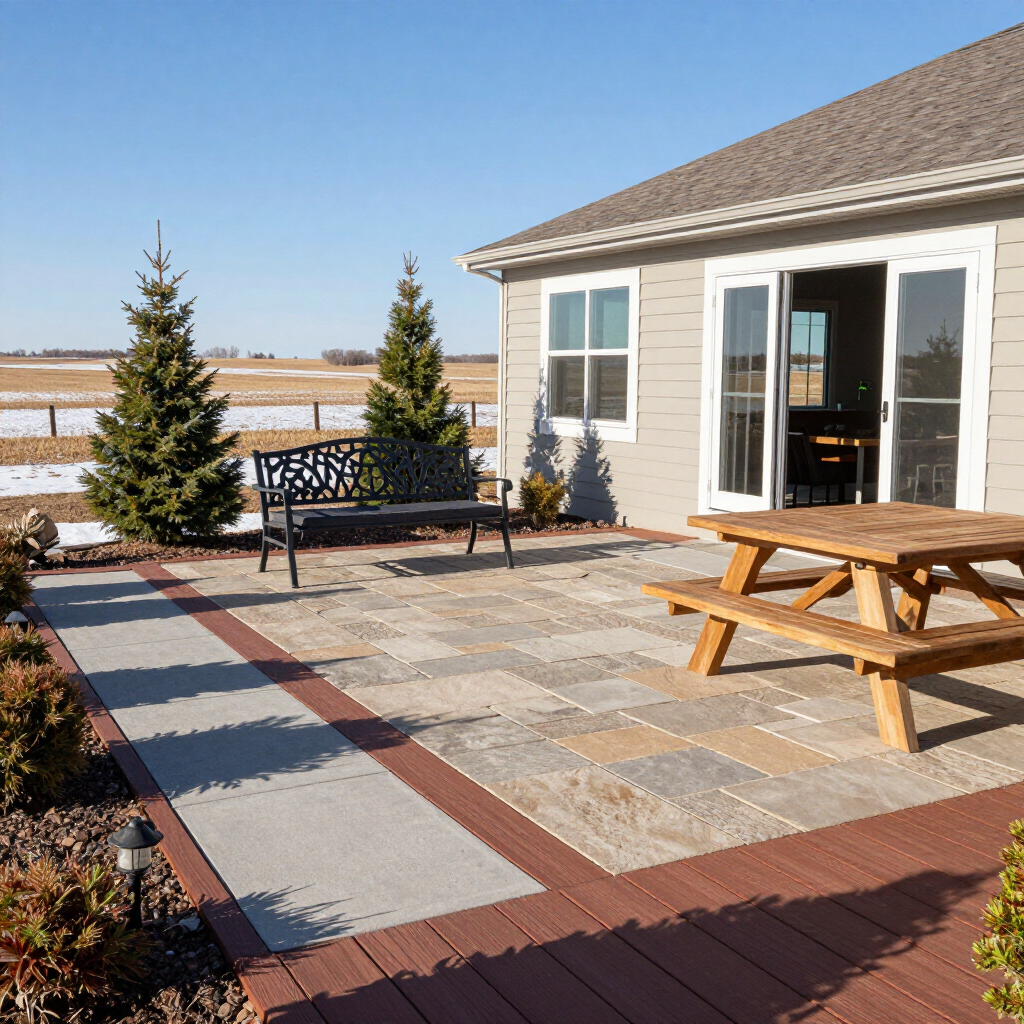
Patios, walkways, retaining walls, outdoor kitchens, and outdoor fireplaces all rely on proper grading.
Water that becomes trapped beneath hardscapes can freeze during winter, expand, and push surfaces upward. This process, known as frost heave, is one of the leading causes of hardscape failure in North Dakota.
Signs of grading-related hardscape problems include:
- Uneven patios
- Sunken pavers
- Cracked concrete
- Loose retaining walls
- Shifting steps
- Pooling water on outdoor surfaces
Good grading works together with proper base preparation and drainage systems to protect these investments for many years.
Reducing Soil Erosion
Erosion occurs whenever moving water carries soil away from where it belongs.
In Fargo, erosion often develops around:
- Sloped lawns
- Retaining walls
- Garden beds
- Downspout discharge areas
- Driveways
- Side yards
Over time, erosion exposes plant roots, damages mulch beds, and creates uneven surfaces.
Proper grading slows water movement while directing runoff toward safe drainage paths, significantly reducing erosion throughout the property.
Making Outdoor Living Spaces More Comfortable
Outdoor living spaces should feel inviting, level, and comfortable.
Poor grading can negatively affect:
- Patio furniture placement
- Outdoor kitchens
- Fireplaces
- Seating areas
- Dining spaces
Nobody wants to entertain guests on a patio where chairs wobble or puddles remain after every rainstorm.
Professional grading creates level activity areas while maintaining subtle slopes that allow water to drain properly.
The result is an outdoor space that remains attractive and usable throughout the season.
Signs Your Property May Need Regrading
Many grading issues develop gradually, making them easy to overlook until significant damage occurs.
Watch for signs such as:
- Water standing near the foundation
- Persistent wet spots
- Grass that struggles despite proper care
- Soil washing into sidewalks
- Mulch repeatedly moving after storms
- Puddles on patios
- Cracked or shifting hardscapes
- Basement dampness following heavy rains
If you notice one or more of these issues, a professional landscape evaluation can help determine whether grading improvements are needed.
Can Existing Grading Be Corrected?
Yes. One of the advantages of landscape grading is that it can often be improved without completely rebuilding the entire landscape.
Depending on the property, grading corrections may include:
- Adding or removing soil
- Installing drainage swales
- Regrading lawn areas
- Adjusting planting beds
- Improving downspout drainage
- Rebuilding portions of patios or walkways
- Installing drainage systems beneath hardscapes
Every property is different, making customized solutions especially important.
Why Professional Grading Makes a Difference
Landscape grading may appear straightforward, but achieving proper water flow requires experience and careful planning.
Professional designers evaluate:
- Existing elevations
- Soil composition
- Drainage patterns
- Foundation elevations
- Hardscape locations
- Future landscape plans
Rather than simply moving dirt, professionals create grading plans that support every aspect of the finished landscape.
A company like MGI Landscapes & Outdoor Living understands how Fargo's weather, soils, and seasonal changes affect landscape performance. Their experience helps homeowners avoid problems before they occur while creating outdoor spaces that remain beautiful and functional for years.
Frequently Asked Questions
Does every yard need landscape grading?
Every property has some degree of grading, but not every yard requires significant regrading. Homes experiencing drainage issues, standing water, erosion, or foundation concerns often benefit from professional grading improvements.
How do I know if my yard is graded correctly?
A properly graded yard directs water away from your home without creating puddles or erosion. If water consistently collects in certain areas after rain or snowmelt, your grading may need adjustment.
Can grading improve an existing landscape?
Yes. Many grading improvements can be incorporated into landscape renovations without completely rebuilding the yard. Correcting drainage often improves the health and performance of existing lawns, gardens, and hardscapes.
Is grading only important for new construction?
No. Older homes often benefit from grading corrections as soil settles and landscapes change over time. Renovation projects provide an excellent opportunity to improve grading and drainage.
When is the best time to complete grading work?
Landscape grading is typically performed during the main landscaping season when weather and soil conditions allow for proper shaping, compaction, and installation of related landscape features.
Final Thoughts
Proper landscape grading is one of the most valuable yet overlooked investments a homeowner can make. While beautiful patios, colorful gardens, and outdoor living spaces often receive the most attention, none of these features will perform as intended without a solid foundation beneath them.
For homeowners in Fargo and West Fargo, thoughtful grading protects homes from water damage, improves drainage, supports healthier lawns and gardens, reduces erosion, and extends the lifespan of hardscape investments. Whether you're planning a complete landscape renovation or addressing persistent drainage concerns, starting with proper grading creates a stronger foundation for every improvement that follows.
Ready to Transform Your Outdoor Space?
Bring your vision to life with MGI Landscapes & Outdoor Living.
Let’s create an outdoor space you’ll love.
Recent Posts